
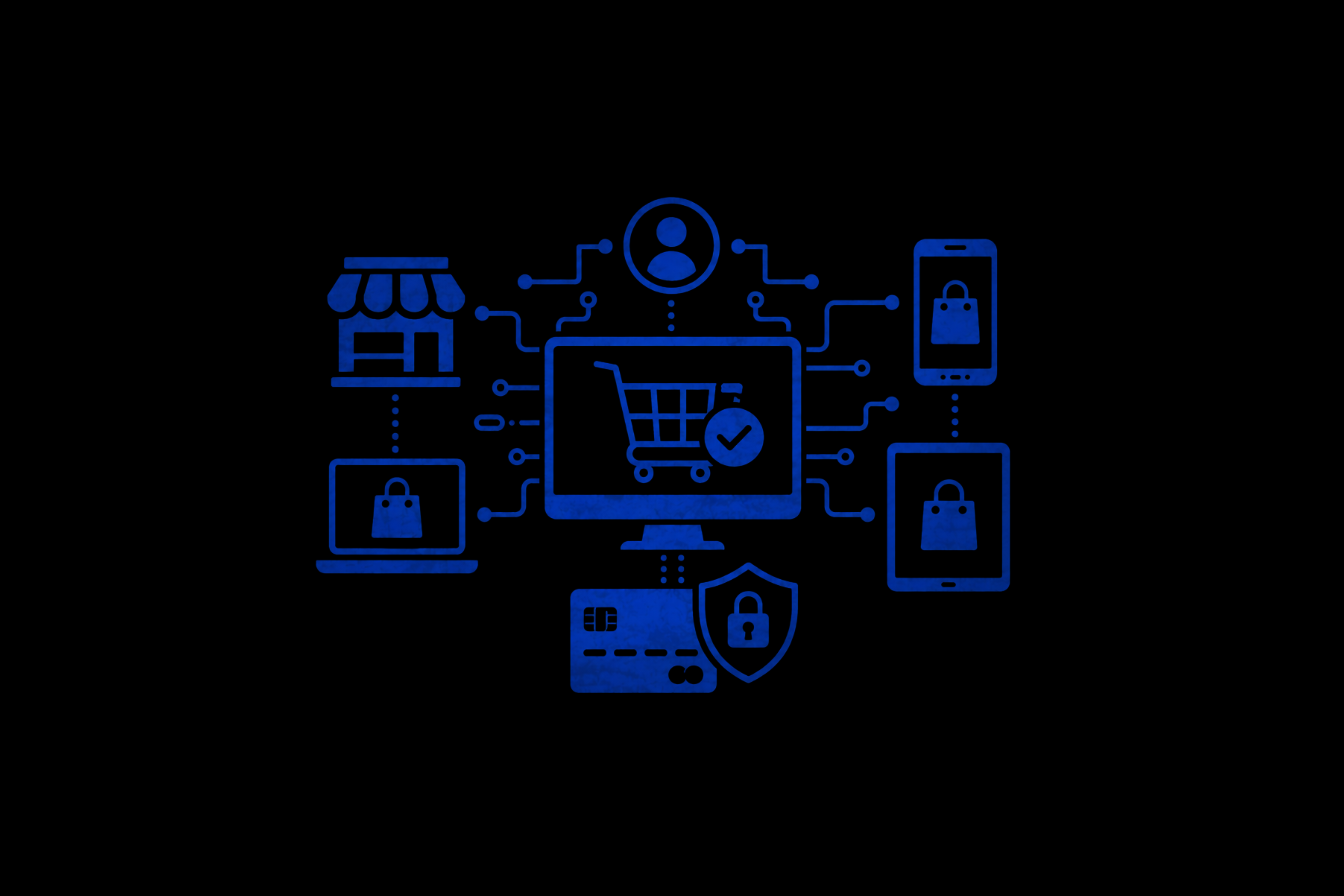
Shoppers today move between devices constantly. A customer might browse on a laptop, save something on their phone, and finish the purchase through an app later that evening. The brands keeping up with that behaviour are the ones making sure the checkout experience feels consistent at every stop along the way. A unified checkout does exactly that, and the results are hard to ignore. Companies with joined-up payment strategies are seeing significantly higher customer engagement, stronger retention rates, and a meaningful lift in lifetime value compared to those still treating each channel as its own separate world.
A unified checkout experience comes down to three things working in sync.
Behind the scenes, payment gateways connect all of this through APIs that sync sessions in real time. A card saved on mobile shows up at web checkout instantly. Some gateways are also starting to use AI to preserve context across channels, which helps surface the right payment option based on a customer's behaviour and history rather than presenting a one-size-fits-all experience.
Purchase rates on omnichannel platforms run significantly higher than on single-channel setups, and average order values follow the same pattern upward. More striking is what happens to retention. Businesses running proper omnichannel strategies hold onto customers at a dramatically higher rate year on year, which compounds over time into a much stronger revenue base.
A lot of that comes down to removing friction at checkout. One-tap payment options like Apple Pay, along with buy-now-pay-later, reduce the effort required at the exact moment a customer decides whether to complete a purchase or abandon it. Fewer steps, less hesitation, more completed orders. Offering payment variety also signals that the brand understands how different customers prefer to pay, which builds trust in its own quiet way.
Choosing the right payment gateway is the starting point. It needs to handle cross-platform API syncing, support tokenised payment storage, and cover the range of payment methods customers expect today. Once that foundation is in place, the work becomes mapping out where customers move between channels and making sure the handoffs are seamless.
Webhooks are the practical tool for keeping everything in sync in real time, pushing updates across platforms the moment something changes rather than waiting for a manual refresh. After that, integration with existing e-commerce platforms and CMS systems needs careful attention, particularly around how sessions and authentication tokens are handled.
One thing worth stressing is testing on real devices. Emulators are useful but they miss things. A checkout flow that breaks on a specific browser version or older phone model can quietly cost sales for a long time before anyone spots it.
Even well-resourced teams run into the same issues.
Getting the foundations solid turns a unified checkout from a technical project into a genuine commercial advantage, one that compounds the longer customers stay.

